
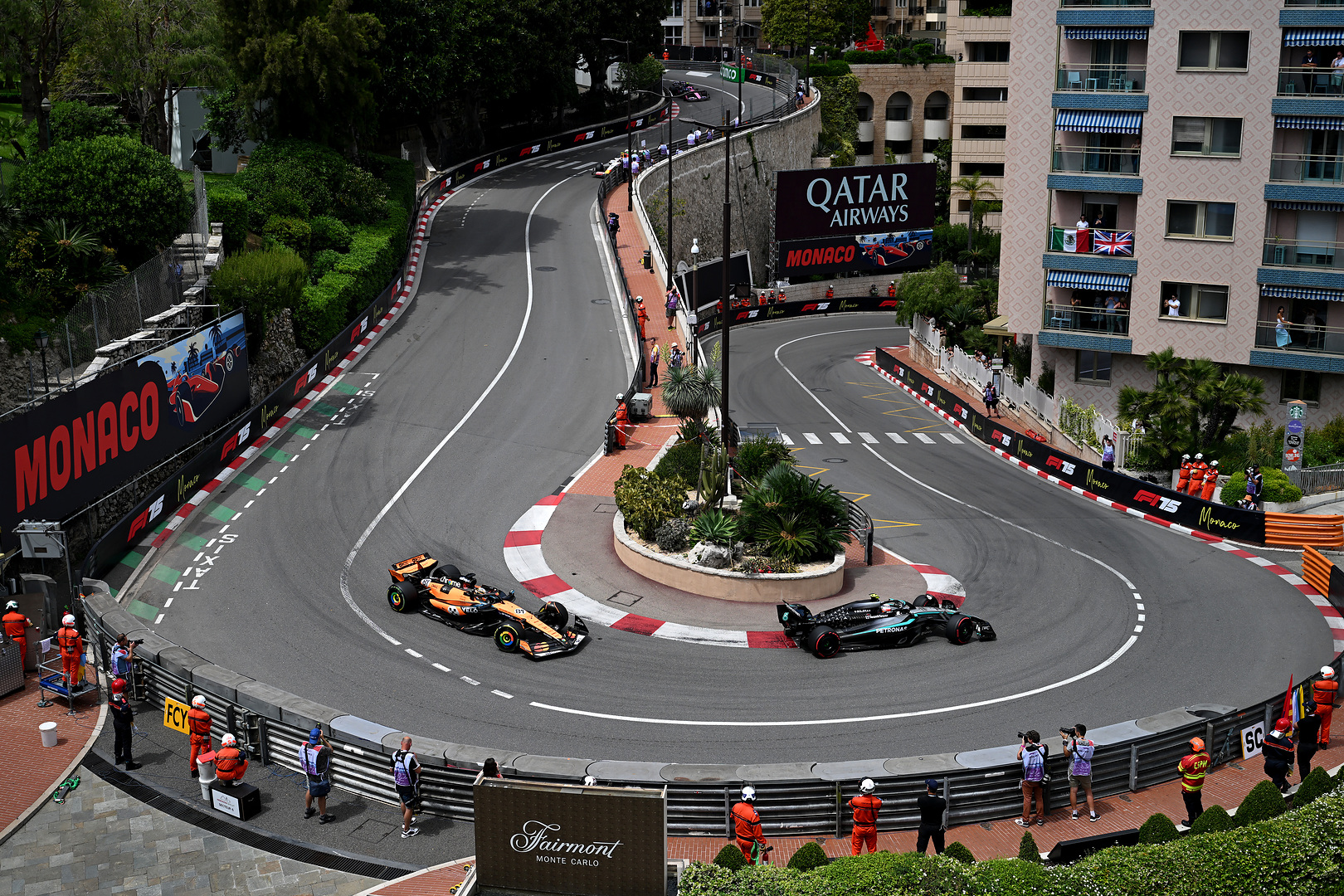
The Monaco Grand Prix is one of the most well-known racing events of the year, and is highly anticipated by drivers and fans alike. For decades, it has been regarded as the crown jewel of the championship. Yet in modern Formula 1, the scrutiny surrounding the event has flourished. Behind the spectacle, critics argue that the racing has become processional. With the circuit’s narrow streets and limited overtaking opportunities, placing disproportionate importance on qualifying. More often than not, Saturday decides the outcome, not Sunday.
The Two-Stop Experiment
It is this ongoing criticism that prompted the FIA to intervene ahead of the 2025 season, announcing rule changes aimed at enhancing the weekend experience. At the heart of the issue is Monaco’s near-impossible overtaking, where track position often outweighs outright pace. The answer was an introduction of a mandatory two-pit-stop format that uses three tyre sets. However, it was met with immediate backlash from both fans and drivers.
“It’s becoming really boring and, actually, sometimes I was picking up the pace because I was so bored…” Isack Hadjar said post 2025 Monaco GP.
Lewis Hamilton also addressed the new regulations, noting that they had little impact on his own race. He suggested that, from his perspective, the changes did not significantly alter the overall flow of the Grand Prix. However, he still encouraged the FIA to keep refining the Monaco format, describing it as “a very, very difficult track.”
The original two-pit-stop rule was implemented to address the overtaking issue, although that wasn’t exactly the outcome. For teams that ran cars close together, like Visa Cash App Racing Bulls, they were able to exploit this rule. By using the back car to hold up the rest of the field, they created a pit stop window for the front car.
Regulation Changes Across the Grid
The sport itself is also undergoing significant change, with the FIA introducing a new set of regulations at the start of the 2026 season, aimed at reshaping the future of racing. Designed to improve sustainability and on-track competition, the updated rules have introduced changes to power units, aerodynamics, and overall car design. While the regulations promise a more efficient and competitive era, they have already sparked debate across the paddock. Teams face the challenge of balancing innovation with cost, while drivers remain cautious about how the changes will translate on track.
For a more detailed breakdown of what these regulations mean for the future of the sport, you can read our full analysis here.
Can New Rules Fix Old Problems?
The FIA have emphasized these rule changes improving overtaking, so it’s hard not to think about them in relation to the Monaco GP. Given the circuit’s reputation, one change stands out: an extra minute in round three of qualifying. This is not just for the Monaco Grand Prix, but teams may be able to use the change to their advantage.
The change aims to reduce congestion and give teams more flexibility. In the past, there was extra pressure on teams to get cars out at the exact right time. With this extra minute, though, it takes that pressure off the teams. On top of this, the new timing accommodates an 11th team on the grid.
The Circuit de Monaco presents a unique challenge, combining a tight layout with significant safety concerns. Across its 19 corners, many of which are blind, drivers must carefully balance preparation and risk. In qualifying, the need to create gaps leads to slow-moving cars, while pit lane timing adds further pressure. This mix of limited space and visibility has resulted in repeated close calls, underlining the circuit’s unforgiving nature.
If the modification truly creates gaps between cars, this could not only affect the strategy but also the safety of Monaco. With the circuit being as small as it is, cars often bunch up, compromising timing for multiple teams. With wider gaps, we could see a significant change in lap times as well.
The Verdict on Monaco
It is safe to assume that the Monaco Grand Prix will look different, but it is much harder to say whether it will be any less predictable. Despite the FIA’s attempts to manufacture closer racing through regulation, the nature of the circuit continues to limit what is possible. The changes may shift strategy, but they stop short of addressing the root of the issue — leaving Monaco’s long-standing criticisms firmly in place.
Whether we’re headed in the right direction is also still up in the air. The new championship-wide regulations have brought undeniable issues. Not only has driver safety been compromised, but the entire essence of the sport has as well. In all, the need for change surrounding the GP has been acknowledged by the FIA, but it doesn’t seem they are open to any real changes. While changes to Q3 timing my adress some issues, critics’ original arguments still stand. It’s hard to believe an added minute in the third round of qualifying will undo the predictability of Sunday’s race.