
For decades, success in junior categories was supposed to lead to Formula 1, the pinnacle of motorsport. From karting through Formula 4, Formula 3, and Formula 2, the pathway was clear. Brutal, expensive, and demanding, but clear.
However, today’s reality no longer reflects that structured pathway, and Doriane Pin’s case is a recent example that reignited the debate.
The recent Formula 1 driver test for Pin with Mercedes has reopened questions about whether motorsport still rewards merit or whether money, timing, and marketing value now outweigh championships. A Formula 2 champion can dominate a season and still fail to secure a Formula 1 seat, often shifting instead into reserve roles or alternative series such as Formula E or endurance racing.
Winning No Longer Guarantees Promotion
Feeder series like Formula 2 were supposed to be the final step before Formula 1. In theory, an F2 champion has proven enough talent and adaptability to deserve a seat. However, reality says otherwise. When talking about talented drivers that didn’t make it to Formula 1, names like Felipe Drugovich and Théo Pourchaire are the first to come to mind.
Drugovich, after his Formula 2 title, became an Aston Martin reserve driver and has since competed in Formula E. Pourchaire, despite strong junior performances, has yet to secure a Formula 1 race seat and recently completed his first rookie Formula E test in Madrid. In modern Formula 1, rookies are no longer judged on pace alone. Marketing appeal, academy affiliation, sponsorship backing, and timing are now just as decisive as performance.
Even the most talented drivers can become victims of circumstance. A title-winning driver may be overlooked if another prospect is already embedded within a manufacturer academy and seen as a more strategic long-term investment. The ladder still exists. It is now more crowded, more corporate, and far less predictable.
Why Doriane Pin’s Mercedes Test Matters
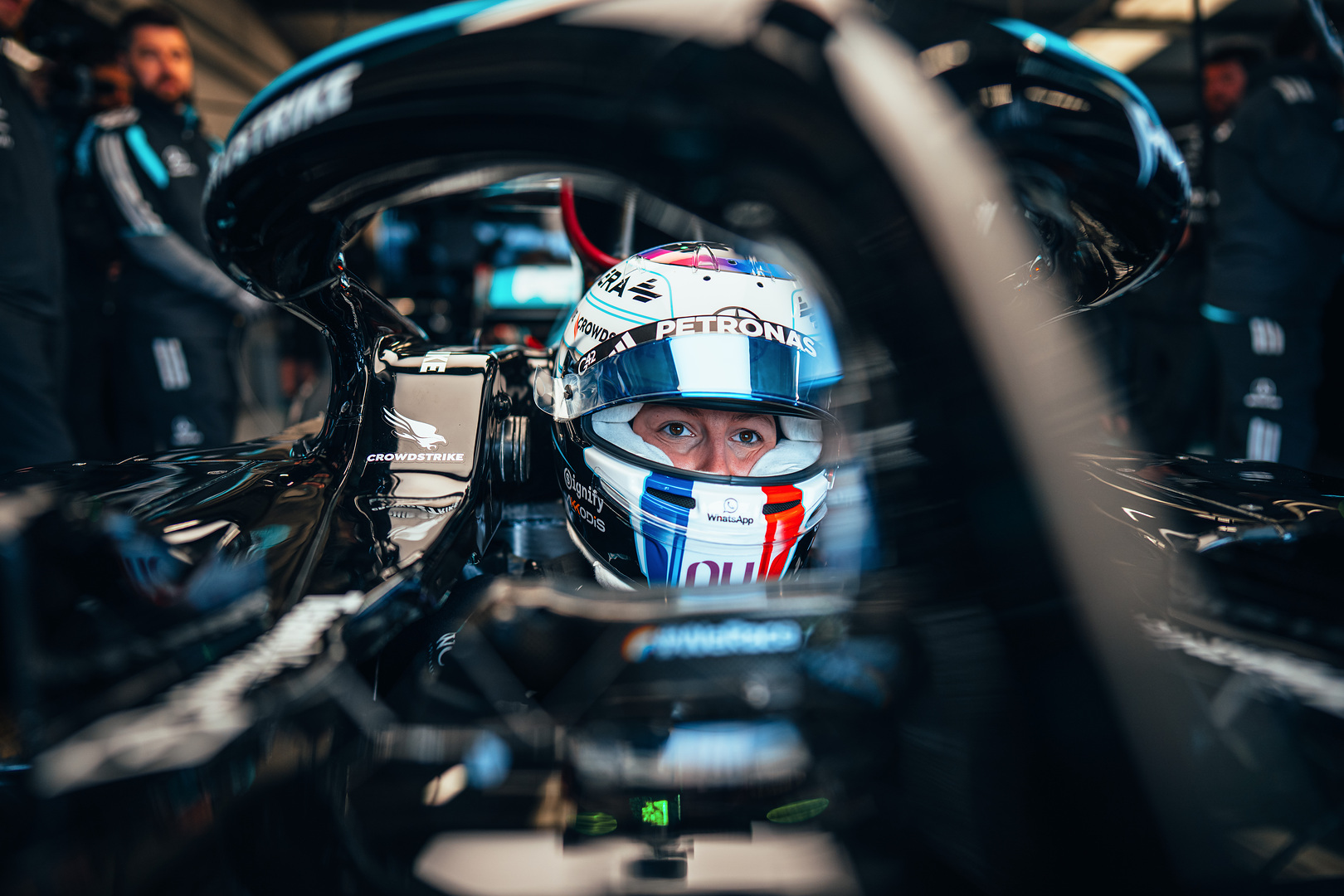
This is where Pin’s test with Mercedes becomes particularly significant. Pin completed her Formula 1 test in April at Silverstone and was praised by the team for her technical feedback, preparation, and adaptability. It marked a notable milestone for women in modern motorsport.

She became the first woman to drive a Mercedes Formula 1 car, the first F1 Academy champion to complete an official Formula 1 test, and one of the very few women in recent years to sample an F1 machine at all. Mercedes has since integrated her into its development programme, where she contributes to simulator work and ongoing technical projects.
However, these roles can also carry a risk: development positions do not guarantee progression to a race seat. For many drivers, they can become a long-term holding pattern rather than a launchpad. Despite her championship success, experience competing against elite junior drivers, and backing from a major manufacturer, Doriane Pin’s path to a Formula 1 race seat remains extremely narrow and highly competitive.
Is It Worth the Investment?
At junior level, the financial commitment required to reach Formula 1 has never been higher. Families often invest millions to sustain careers through the feeder series, while sponsors and academies pour significant resources into driver development programmes. Yet financially, the system is becoming harder to justify. A Formula 2 title no longer guarantees progression, and even consistent excellence does not ensure a future in Formula 1.
However, the investment makes much more sense if the ladder doesn’t lead only to Formula 1. Many drivers who do not reach F1 go on to build successful careers in other categories, including endurance racing, Formula E, and manufacturer-backed championships. This reflects a modern motorsport landscape that is broader and more diverse than before.
But it also reveals a shift: Formula 1 is no longer the natural end point of success. It is now a highly selective outcome within a much larger, more uncertain system.