
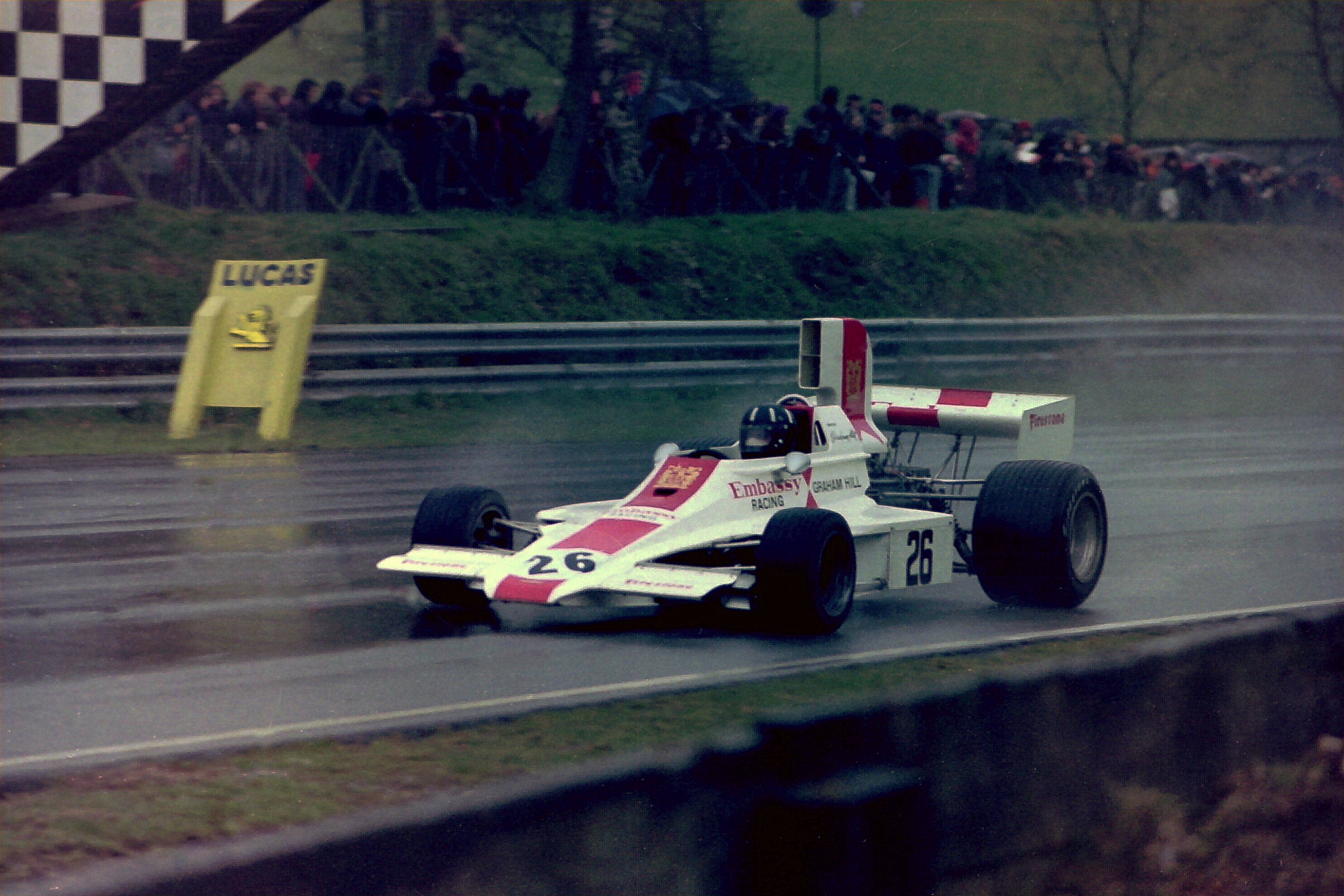
While most drivers build their legacies within a single championship, the Triple Crown of Motorsport exists outside traditional boundaries. This unofficial title is made up of the Monaco Grand Prix, the Indianapolis 500, and the 24 Hours of Le Mans. The Triple Crown represents a challenge unlike any other. A career spent adapting, enduring, and excelling across three of racing’s most demanding stages defines it—not a single season.
Unlike championship titles or season-long battles, the Triple Crown exists outside the structure of the sport itself. There is no trophy, no points system, only the recognition that comes with conquering three of racing’s most iconic events. Each race belongs to a different discipline, requiring drivers to adapt to contrasting technical demands. From the precision of a street circuit to the intensity of oval racing and the endurance of a 24-hour contest. As a result, the Triple Crown is about versatility across the sport rather than dominance over a single series.
The Monaco Grand Prix
Fans and experts often consider Formula 1 the pinnacle of motorsport, so it’s no surprise that one of the grid’s most challenging aspects plays a role in this trial. The street circuit tests a driver’s precision and has been a part of racing for nearly 100 years. Held on the streets of Monte Carlo, the inaugural race was an invite-only event organised by Antony Noghès. A cigarette manufacturer by trade, he helped found the Automobile Club de Monaco. William Grover-Williams took home the first Monaco GP victory.
The most recent Monaco Grand Prix was won by Lando Norris, driving for McLaren-Mastercard Formula 1 team. Controlling the weekend from start, he secured pole position, set a historic fastest lap, and finished first on Sunday. The #4 driver’s dominant performance foreshadowed a remarkable season, culminating in the 2025 Drivers’ Championship alongside McLaren’s Constructors’ title.

Within the context of the Triple Crown, the Monaco Grand Prix is a test of precision above all else. Running through the narrow streets of Monte Carlo, it leaves no margin for error, demanding absolute control, focus, and confidence from the driver. Monaco is about millimetres — placing the car perfectly through tight corners, managing traction, and delivering under immense pressure. These aspects are particularly important in qualifying, where track position is crucial. It is a race that rewards discipline and technical accuracy.
24 Hours of Le Mans
If Monaco is about precision, the 24 Hours of Le Mans is about endurance in its purest form. Held annually near the town of Le Mans, France. The race has been a cornerstone of motorsport since 1923, organised by the Automobile Club de l’Ouest. Unlike the controlled intensity of a Formula 1 weekend, Le Mans unfolds over an entire day and night, pushing both the drivers and machine to their absolute limits.

Rather than a single driver battling for position, teams of three share the car, cycling through stints as conditions shift throughout the race. Fatigue becomes as much of a challenge as outright pace. Mechanical failures, changing weather, and traffic from slower classes all add layers of complexity and difficulty, forcing drivers to remain sharp long after exhaustion sets in.
The 24 Hours of Le Mans stands as the ultimate examination of stamina and longevity. The ability to sustain peak performance over time, adapt to changing conditions, and preserve both car and energy—not a single perfect lap—defines success. Drivers must think beyond immediate gains, managing risk, navigating traffic, and maintaining focus deep into the night. Drivers build this discipline on rhythm and restraint, where strategic decisions outweigh outright aggression. Here, victory comes to those who can endure as much as they can compete.
The Indianapolis 500
Formally known as the Indianapolis 500-mile race, the Indy 500 is held annually at the Indianapolis Motor Speedway in Indiana, USA. The event spans Memorial Day weekend, often falling on the second-to-last weekend of May. As part of the IndyCar Series, the race and the championship stand as the top level of American open-wheel racing.
The track features an oval layout and originally used red brick for its surface, earning it the nickname “The Brickyard.” The first race was held in 1911 and won by Ray Wade Harroun. The event has been featured in multiple championships, including Formula 1, before becoming exclusive to domestic open-wheel series.

Unlike the other two races, not all teams that enter get to race. Qualifying determines more than just track position. The strict 33-driver starting grid forces any slower entry out of the field, preventing it from competing in the race. This format places a unique emphasis on consistency and pace, eliminating even competitive entries before race day.
Relating to the triple crown, the Indy 500 is a test of speed and strategy. Drivers must take required refuelling and pit stops into account. They also have to be cautious of dirty air, which slows down the car and reduces downforce.
A Legacy Few Can Follow
Graham Hill best illustrates the legacy of the Triple Crown, as he remains the only driver to have achieved it. Dominating each race in the Triple Crown, Hill’s career embodied a level of versatility that has since become increasingly rare. His success across three distinct disciplines cements his place in motorsport history.
Hill competed in Formula 1 for nearly twenty years and held the record for most podiums at his time of death. Outside of Formula 1, he entered the 24 Hours of Le Mans ten times, winning his last attempt in 1972. He entered the Indy 500 on three occasions, though he won on his first attempt.

In the decades since, a handful of drivers have attempted to follow in his footsteps, most notably Fernando Alonso, whose victories at Monaco and Le Mans, alongside multiple Indianapolis 500 entries, have brought renewed attention to the challenge. Though in the modern era of motorsport, increasing specialisation, tightly structured calendars, and contractual limitations have made such crossover increasingly difficult, transforming the Triple Crown from an extraordinary achievement into one that borders on unattainable.
More Than a Title
In an era defined by championships and season-long dominance, the Triple Crown stands apart as something far less tangible, yet arguably more enduring. More than a statistic or a title, it represents a different kind of greatness, one rooted in legacy rather than race results. Its appeal stems from both rarity and history, capturing the spirit of a time when drivers crossed disciplines in pursuit of something greater than a single-series crown. Like the most elusive achievements in sport, it exists beyond the conventional measures of success, shaping motorsport’s legacy with every attempt. No one knows if anyone will ever complete it again, but that uncertainty keeps fans hooked.