
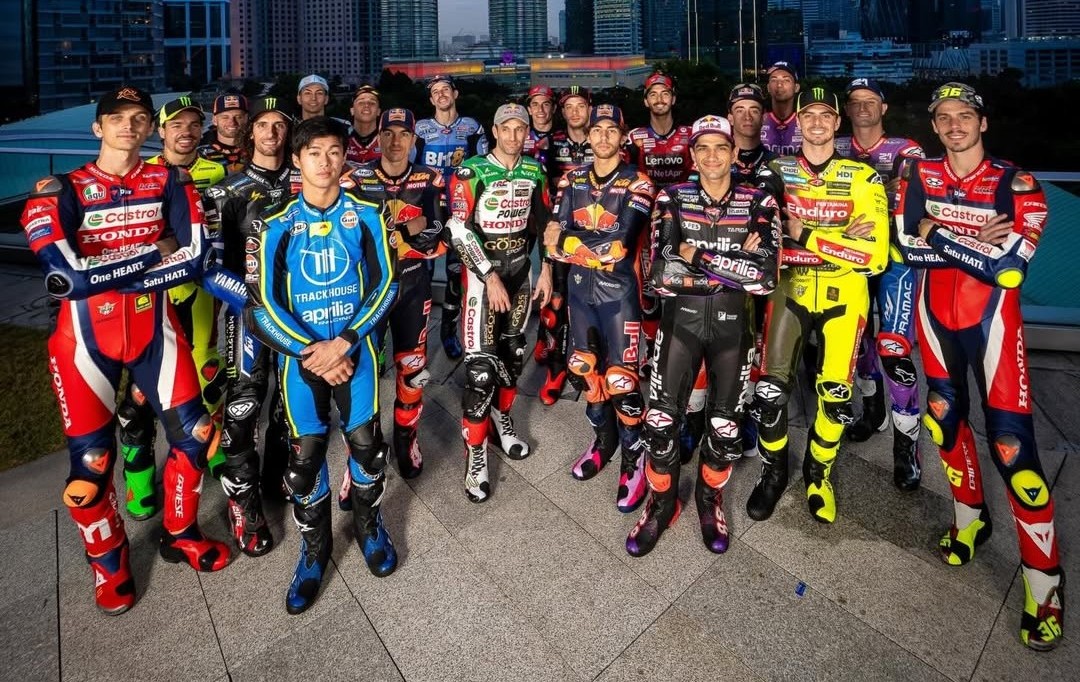
The MotoGP grid is up for grabs in the 2027 Season, as most of the riders will become free agents at the end of the 2026 Season. As a result, this season is set to see some action beyond the grid with teams and riders busy negotiating their future.
On the other hand, despite the impending vacuum, none of the rumoured negotiations has resulted in the announcement of finalised rider contracts. Thus, before this paradoxical season begins springing surprises, let us take a look at MotoGP contracts: the formulation, the nuances and the aftermath.
The General Contractual Practice in MotoGP
The Fédération Internationale de Motocyclisme (FIM) does not regulate rider contracts in MotoGP. The FIM Grand Prix World Championship Regulations only regulate the duties of the teams and riders to the extent that they relate to the sport. Therefore, rider contracts, which formulate and outline this relationship, are given almost sacred status within the sport.
Key Terms in a Rider Contract
It might seem a banal reproduction, but the chief clause of a contract outlines the parties to the contract, in the present case, the rider and the respective teams. Another important clause is the term or duration of the contract. With constant research and technological updates, MotoGP is constantly evolving. As a result, rider contracts are generally for a term of two years.
The payment terms constitute another important clause in a rider contract. Teams generally pay a fixed salary to the rider alongside some performance-based bonuses. The contract also outlines the other duties of the contracting parties. These include, for instance, the media appearances the rider is obligated to make to represent the team, the mode of handling and incorporating rider inputs in the manufacturing of the bike, the course of action in the event the rider is injured, etc.
The contracts also specify the compensation thatthe terminating party is required to pay the other party in case of early termination without any cause. Some contracts also contain an exit clause. Such clauses lay down the conditions and circumstances under which a team or a rider may terminate the contract early.
The Practical Considerations
At a glance, the rider contracts seem straightforward enough. However, in practice, several outside variables factor into the performance of the contract by both parties. Performance volatility, manufacturer politics, sponsor interests, and rider career trajectories are some such determinants.
Another influencing factor is the FIM. It does not directly regulate contracts. Yet, it does prohibit riders from signing a new contract for the same period with another team while already under contract with a team. Moreover, any new regulations brought on by the FIM can directly or indirectly impact the rider-team relationship.
A recent example that illustrates these practical challenges is the situation surrounding Jorge Martín and Aprilia Racing. The disagreement highlighted how performance clauses, injuries, timing, and commercial realities can turn contractual provisions into complex legal conflicts.
Aprilia and Martín finalised a two-year deal beginning in 2025. The agreement included a performance-related exit clause.

According to MotoGPnews.com, a dispute arose when Martín attempted to activate this clause during the 2025 season. He argued that the agreed conditions had not been fulfilled and that he therefore retained the right to decide his future for 2026.
The article further highlights how Aprilia argued that because Martín had not completed enough races, the performance clause could not be triggered. From the manufacturer’s perspective, the clause depended on measurable performance outcomes, which were impossible to assess due to his absence.
They eventually resolved the dispute, and Martín has continued to race for Aprilia in 2026. However, a bit earlier in the time ladder, a legal dispute did not seem out of the question.
Thus, rider contracts must account for unpredictable variables such as injuries, performance volatility, and out-of-contract negotiations. Even well-drafted clauses can become contentious when applied to real-world circumstances.
Negotiations in Facto
Once we understand the important clauses of a rider contract and their operation, we can understand how negotiations take place. Much like the aftermath, the formulation of contracts is also affected by surrounding factors. These often include the performance of the team and the rider, whether the rider is suffering from any injury, any impending regulatory changes, etc.
The 2026 Season is the perfect example. Since the 2027 season seeks to bring about major changes in the technical regulations, most of the rider contracts will expire at the end of 2026. This has created a unique negotiation environment.
The ongoing negotiations between Marc Márquez and the Ducati Lenovo Team for a contract extension following the 2026 Season provide another example. According to Motosport.com, Ducati vies for a two-year deal. Márquez, on the other hand, prefers to keep it down to one year.

This divergence highlights an important practical consideration: rider contracts are not merely about salary or performance incentives but also about strategic flexibility. Riders may prioritise optionality, while manufacturers typically favour stability. The negotiations therefore become a balancing exercise between competing commercial and sporting objectives.
The Stakeholder Perspective
The debate around contractual stability in MotoGP has intensified in recent seasons. Questions about how rider contracts should be enforced have prompted discussions among riders, teams, and stakeholders.
Resistance to an F1-Style Contract Recognition Board
One proposal that gained attention during the Martín–Aprilia dispute was the introduction of a system similar to Formula One’s Contract Recognition Board (CRB). However, several riders expressed reluctance toward adopting such a system, as reported by Motorsport.com. Riders indicated that MotoGP does not necessarily require an F1-style arbitration authority, suggesting that the paddock traditionally relies more on direct negotiations and mutual understanding rather than formalised legal structures.
Calls for Greater Stability: Agostini’s Transfer Window Proposal
At the same time, some stakeholders have argued that the current system lacks stability. MotoGPnews.com reprted that Giacomo Agostini, one of the sport’s most influential voices, suggested introducing a transfer window to prevent early-season negotiations from disrupting performance. He argued that rider transfers should be blocked until at least halfway through the season, as early negotiations create distractions and destabilise teams.
Despite the appeal of a transfer window, implementing such a system in MotoGP presents significant challenges. MotoGP involves multiple independent manufacturers with differing priorities. Additionally, rider negotiations often begin early because manufacturers need sufficient time for technical planning, sponsor alignment, and team restructuring.
Clauses that obligate the riders and teams to negotiate new contracts only within six months before the expiry of a current contract could supplement the implementation of the transfer window system. However, the question of regulating contracts centrally by the FIM and the extent of such regulation remains unanswered.
The Way Forward
Rider contracts in MotoGP have evolved significantly in recent years, reflecting the increasing professionalisation of the sport. Looking ahead, the FIM is exploringthe possibility of introducing minimum rider salaries from the 2027 season onwards, as reported by Motosport.com. Such a move, if implemented, would represent one of the most significant structural changes in MotoGP’s contractual framework.
First, it would significantly affect contract negotiations by strengthening the bargaining power of riders. Second, once such financial thresholds are introduced, governing bodies may need to implement compliance mechanisms, reporting requirements, and enforcement frameworks. Thus, rider contracts may become more regulated and transparent. But the inherent unpredictability of MotoGP ensures that flexibility will remain central to how rider agreements are negotiated and enforced.