
The Formula E rookie session has evolved into something more significant than a regulatory requirement. What was once seen as a low-stakes opportunity for teams to run inexperienced drivers is now emerging as one of the clearest indicators of where the championship stands.
The 2026 edition underlines a clear shift. With a grid heavily populated by drivers from several feeder series and manufacturer academies, the rookie session is beginning to resemble a feeder-series showcase.
Feeder Series Drivers to Participate
The 2026 Madrid Formula E rookie test will feature notable names like Zak O’Sullivan, race winner in Formula 2 and member of Williams’ junior programme. Other former Formula 2 drivers like Théo Pourchaire, Victor Martins, and Richard Verschoor will also take part in this special session.
Aside from Mini, several current Formula 2 drivers will be present in Madrid this weekend, like Joshua Dürksen. From Formula 3, we will see drivers like Freddie Slater.
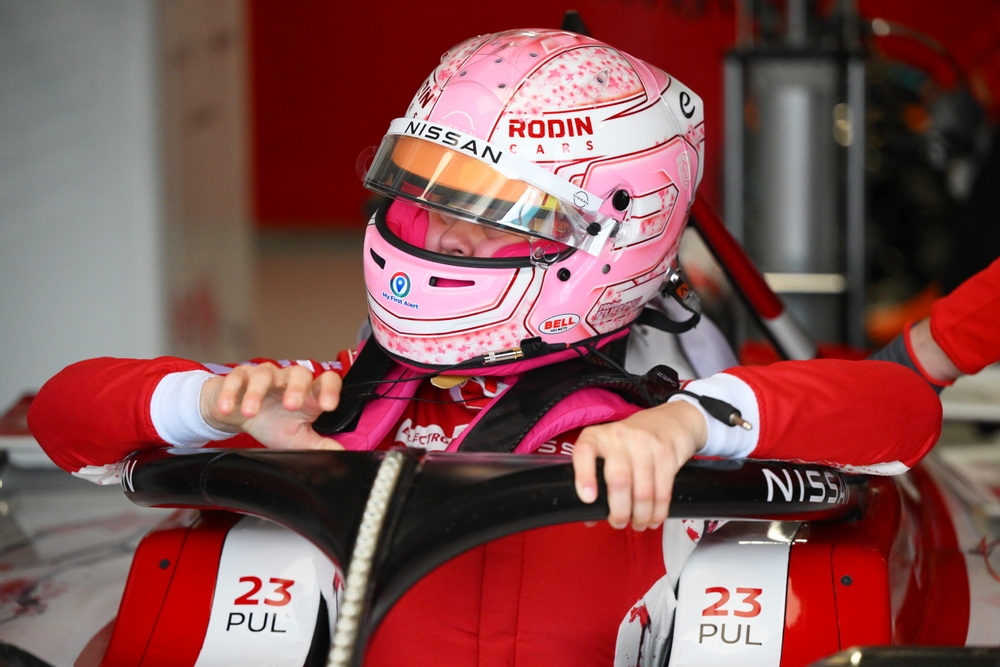
A few familiar faces from F1 Academy will also take part. Abbi Pulling will participate with Nissan, Bianca Bustamante with Cupra Kiro, and Ella Lloyd with Envision Racing.
(add the graphic with the rookies for each team)
Why It Matters?
The importance of the rookie session operates on multiple levels. For teams, it is still a valuable chance to gather data, especially on circuits where conditions evolve and tracking knowledge is vital. Despite the inexperience, rookies can provide feedback while race drivers conserve mileage across the season.
The Formula E rookie session has become a high-visibility audition in front of manufacturers who are also evaluating new talent. GEN3 Evo cars require unique technical skills, energy management, and adaptability.
At the same time, it reflects Formula E’s shifting position in the wider driver market. As the pathway to Formula 1 becomes more congested, alternative opportunities are gaining credibility. The growing relevance has been acknowledged at the top of the championship.
The Feeder Series Drivers Takeover
The vast majority of drivers now come directly from Formula 2, Formula 3 or affiliated academy programmes, with limited representation outside the traditional single-seater ladder.
That shift hints at a broader change in how Formula E is sourcing talent, one that mirrors the established pathway. The reasons are still taking shape, but the direction is clear.