
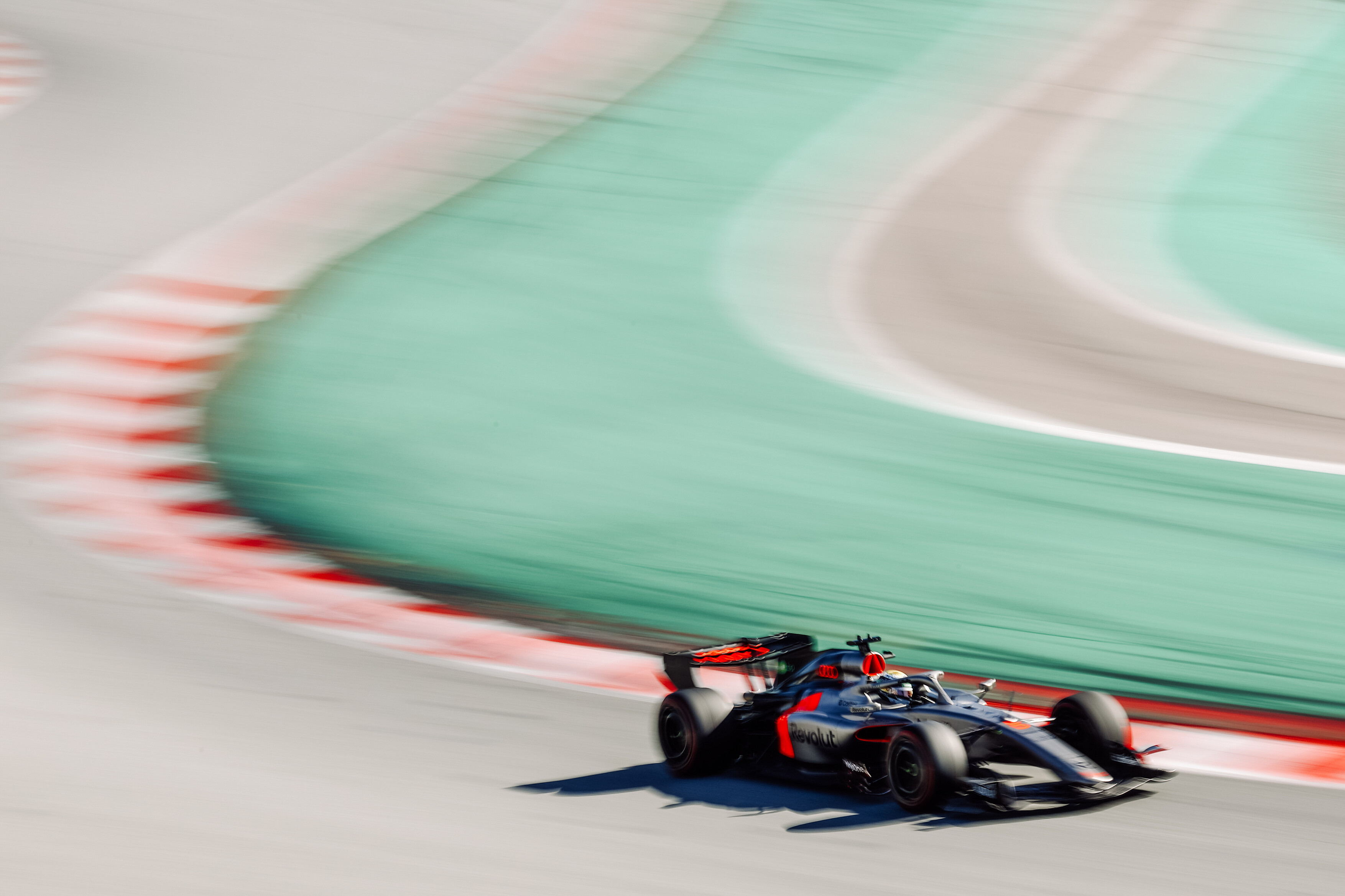
The 2026 Formula 1 season begins not only with the usual anticipation but also with a complete new era. New power units. Active aerodynamics. No DRS. Eleven teams and 22 drivers lining up under a regulation book that has rewritten the technical DNA of the sport. Melbourne hosts the pinnacle of motorsport kick-off for the 24th time alongside Formula 2 and Formula 3. Making this year’s event its thirtieth since the debut on the calendar in 1996 and the 29th visit overall to Albert Park.
The winter has been filled with simulation runs, testing programmes and guarded optimism — and finger pointing — but none of it carries weight until the lights go out on Sunday. Pre-season running in Bahrain provided glimpses of potential and exposed areas still under development, yet as always in Formula 1, testing answers very little with certainty, especially when it comes to race distances. Therefore, Albert Park will provide the first real order of the field. The stopwatch, as ever, will cut through theory.
The Stopwatch Never Lies
This is the first race under the 2026 regulations. Straight Line Mode replaces DRS, flattening wings in designated zones for all drivers. Five such zones have been set in Melbourne. Alongside a single Overtake Mode activation point on the pit straight, available only to drivers within one second of the car ahead, it is hoped to bring some more movement into the race. Furthermore, it is a system designed to balance energy deployment with genuine racing instinct.
Norris Carries the One
For the first time in his career, Lando Norris arrives at a season opener with the number one on his car. He earned it the hard way. The 2025 championship battle ran deep into the calendar, with Oscar Piastri leading much of the campaign before Baku shifted momentum. Norris closed the gap and sealed the title late, delivering — with his teammate — McLaren both the Drivers’ and Constructors’ crowns.
Defending a title is a different pressure than chasing one. One slow start, one internal swing in performance, and the tone inside a championship-winning garage can subtly change. McLaren Mastercard Formula 1 Team logged one of the highest mileage of pre-season testing and rarely showed their full hand. The consistency suggests that the new car is a genuine contender under the new rules. Still, Melbourne will only be the first honest reference point of this reliability data collection.
For Piastri, the home race narrative writes itself. Twelve months ago, victory was within reach before a mistake in the rain cost him dearly. The performance before that moment was faultless. Australia has never celebrated a home Formula 1 podium. Maybe the weather and learnings will be on his side this year with the needed luck to survive a season opener and homerace. The opportunity, once again, is real.
Ferrari’s Question of Extraction
The Scuderia Ferrari HP team left Bahrain with the headline lap time of testing. Charles Leclerc’s 1:31.992 on the C4 compound was the benchmark of the week and a signal that the SF-26 may have genuine pace in hand. For Lewis Hamilton, year two in red represents a reset. After a winless 2025 season — apart from one sprint phenomenon — and a challenging adaptation period, he spent the winter embedded in simulator development.
The car carries more of his influence this time around, and the team around him too. The variable is operational stability. A new race engineer relationship begins in Melbourne, and consistency on the pit wall is never built on the short whim. Raw speed is one thing. Execution under a new regulatory framework is another.
Red Bull’s Unknown and Mercedes
Oracle Red Bull Racing begin a new chapter with their first fully in-house power unit, developed alongside Ford. Externally, little is known about its competitive standing. Max Verstappen focused heavily on energy mapping rather than headline lap times in Bahrain, offering rivals data to interpret but few conclusions to trust.
Verstappen has been candid about the new formula’s emphasis on deployment management. He prefers the old cars, but with speed his opinion might be shifted. Albert Park, with its combination of high-speed commitment and technical braking zones, will reveal whether the new systems enhance or dilute wheel-to-wheel combat.
Mercedes-AMG PETRONAS team quietly topped multiple testing sessions through George Russell and last season’s rookie, Kimi Antonelli. Reliability interruptions surfaced, but the overall programme appeared structured and deliberate. With four customer teams running Mercedes power, the broader data pool may provide an early advantage in understanding the new engine behaviour. “It will take a few races before the competitive order settles,” Mercedes Team Principal & CEO Toto Wolff admitted.
New Names on the Grid
Two new manufacturers join the Formula 1 stage in 2026. This season, Audi Revolut makes their full works debut, transitioning from Sauber with their own power unit and long-term vision. Their testing programme was methodical rather than spectacular, but steady foundations often outlast early fireworks.
Alongside them, the Cadillac Formula 1 Team becomes the sport’s 11th team. With Valtteri Bottas and Sergio Pérez bringing experience to an entirely new operation, the immediate objective is clean execution rather than headline results. Every completed lap this weekend will be data for a project measured in years, not races. Like other new teams, who came into the sport in the 2010s, they will need time and patience for this high-tech group project.
Five power unit manufacturers now shape the grid: Mercedes, Ferrari, Red Bull Ford, Honda and Audi. The diversity signals the beginning of what many inside the paddock describe as an era of opportunity.
The Circuit
Albert Park remains one of the calendar’s most distinctive venues. Built around a public lake in Melbourne’s inner suburbs, the 5.278 km temporary circuit blends street-track unpredictability with high average speeds. Over 58 laps, the race distance totals 306.124 kilometres.

The surface begins green and slippery on Friday before evolving rapidly, as past years have shown. Fast direction changes reward a responsive front end, while the heavy braking zones into Turns 3 and 11 traditionally offer overtaking chances. The official lap record remains with Ferrari and Charles Leclerc’s 1:19.813 from 2024.
Tyres and Unknowns
Pirelli brings the C3, C4 and C5 compounds to Australia, but the specifications are entirely new for 2026. The tyres are narrower, with reduced overall diameter to complement lighter, more agile cars. The C6 compound has been removed from the range, with the aim of creating clearer performance steps and broader strategic variation.
Last year’s race, disrupted by rain, offered limited insight into degradation patterns. In dry conditions in 2024, Melbourne produced a two-stop race with all three compounds. Whether the new-generation cars replicate that pattern is uncertain. Warm-up characteristics, energy loads and aerodynamic shifts all interact differently under these rules.
Melbourne will not just decide the first points of the season. It will provide the first genuine dataset on how this entire regulation package behaves under competitive stress with Pirelli’s tyres.
An Era Begins
There has been talk all winter. Analysis layered upon speculation. Testing times dissected corner by corner. Now the conversation stops. “We are at the beginning of a new era for the sport,” Wolff explained. “There’s been lots of talk up to this point, but that can now stop, and we can go racing.”
In Melbourne, the future of Formula 1 does not arrive gradually. It launches off the line.