
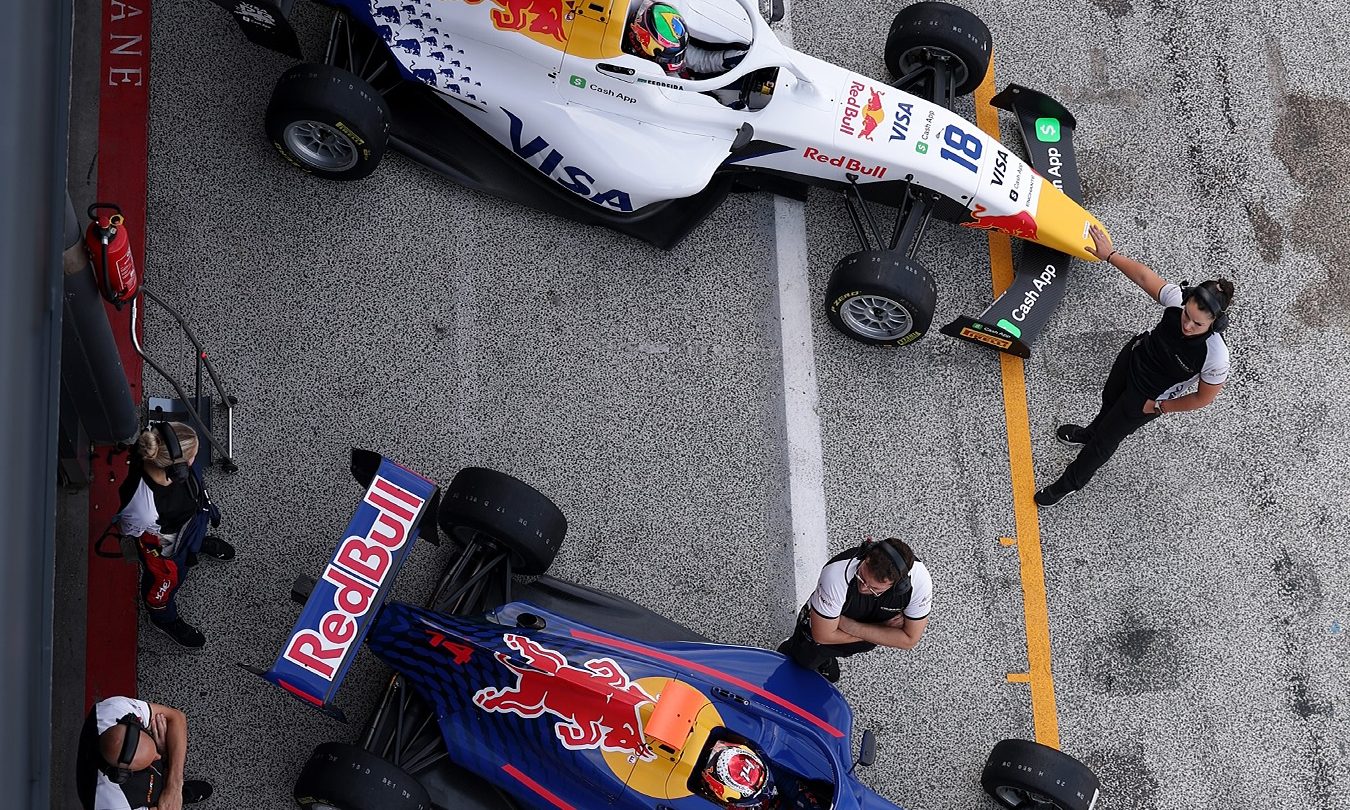
The F1 Academy returns from its summer hiatus with plenty to talk about. After four rounds the series has already provided a tidy blend of close racing, reverse-grid theatrics, technical gremlins and genuine breakthroughs. With the first post-break race looming next weekend, here’s where things stand and what to watch for as the season heads into its second half.
Pin’s Consistency vs. Chambers’ Momentum
At the top of the table sits Doriane Pin (PREMA Racing), and it’s clear why. Pin has been the model of consistency — quick in qualifying, ruthless when the opportunity arises — and she converted pace into a big result in Shanghai Race 2 and solid points elsewhere to build a comfortable lead. That 20-point advantage over Chloe Chambers feels significant but not undoable. Chambers (Campos Racing) has seized the headlines with raw speed: maiden poles, composed features and a first win in Canada that underlined her ability to control a weekend when everything is going right.
Chambers’ form has pushed her up to second in the standings and made the title fight two-sided for now: Pin’s steady accumulation of points versus Chambers’ higher-variance, higher-ceiling approach. It’s an intriguing contrast — a classic “consistency vs sprint” dynamic that will define the championship narrative after the break.
Maya Weug — Class Pace but Frustrating Reliability
Maya Weug (MP Motorsport) remains a genuine contender on pace alone. She took pole in Shanghai and has shown the raw speed of a Ferrari Driver Academy protégé. Yet reliability and set-up problems have blunted her points haul. Montréal in particular was a frustrating weekend for her: persistent car issues left her off the board in places where she might otherwise have been scoring heavily. If Weug and her team can iron out those gremlins, she’s the kind of driver who can swing a championship weekend in her favour.
Breakthroughs and Rookies to Keep an Eye On
One of F1 Academy’s strengths this season has been the new drivers making headlines. Ella Lloyd (Rodin Motorsport) turned a reverse-grid opportunity into her first series win in Jeddah and has been remarkably consistent across different weekends — the kind of performer who will always be a threat in reversed grids and chaotic races. Emma Felbermayr (Rodin Motorsport) notched her first career victory in Montréal Race 2, a sign that the step up to single-seaters is beginning to pay off for some of the series’ graduates from karting.
Alba Hurup Larsen (MP Motorsport) has also impressed as a rookie. She’s a regular points finisher and frequent presence in the top five. While Alisha Palmowski (Campos Racing) has shown blistering one-lap speed and the occasional flash of aggressive racecraft that produces podiums and dramas in equal measure. Nina Gademan (PREMA Racing) has led races and looked composed at the front; she might be the quiet wildcard in the podium fight if she converts more weekends into podiums.
The Racing: Close, Chaotic, and Often Neutralised
A recurring theme this season has been the frequency of Safety Car periods and the influence of the reverse-grid format. Shanghai’s opening weekend featured multiple neutralisations that shuffled results, and Montréal served up three Safety Car periods in Race 3 alone. Those interruptions have amplified the value of clean restarts and racecraft. Chloe Chambers’ composed restart work in Canada is a case in point and rewarded drivers who can manage pressure and tyre life when it matters most.
The return of the reverse grid has injected unpredictability, deliberately mixing up the order and testing the overtaking ability of the quickest drivers. It also gives rookies, wildcards and clever strategists a chance to shine, which is exactly what the series is designed to do.
The Platform is Working
From the pre-season grid announcement onwards, the F1 Academy has made its intentions plain: to be a genuine pathway. PREMA, MP, Campos, Rodin, ART and others have fielded combinations of returning talent and fresh faces (and the occasional wildcard), and the results suggest the format is fulfilling its role. Susie Wolff’s emphasis on sustainability and career pathways is visible in the way drivers are using the championship. It’s a place to learn racecraft, handle media and prove they can perform under pressure. Some drivers continue their other motorsport commitments in other series in between races.
For the Dutch Grand Prix round, the wildcard entry will be Esmee Kosterman, adding another exciting element to an already unpredictable grid.
What Needs Fixing and What Makes This Season Compelling
A few threads are worth watching after the break. First, reliability and technical calls have swung weekends — teams must minimise those problems if the championship is to be decided on pace and strategy rather than misfortune. Second, discipline at restarts and in wheel-to-wheel combat remains an issue: several drivers have picked up penalties this season for incidents that could be avoided with a touch more patience. Finally, the number of incidents involving wildcards and late entrants (which is part of the series’ charm) means the midfield remains chaotic: that unpredictability is entertaining but occasionally punishes the championship contenders.
Yet those very quirks are what make the F1 Academy compelling. Close timing sheets across sessions, multiple winners already on the board, and a mixture of calculated veterans and impulsive youngsters give the championship texture. It’s not a one-team, one-driver procession. For a series in its third season, that is precisely the kind of competitive depth you want to see.
What to Watch Next Weekend
Looking ahead to the second half of the season, the spotlight will be firmly on whether Doriane Pin can protect her 20-point lead at the top of the standings. Her consistency makes her a formidable favourite, but the margin is slim enough that one difficult weekend could bring Chloe Chambers or even Maya Weug right back into contention. Chambers, in particular, carries momentum into the break after her impressive run of results, and her ability to manage traffic and control feature races will be crucial if she wants to keep applying pressure. For Weug, the question is whether she and MP Motorsport can finally put their reliability and setup issues behind them, because if they do, she has the pace to be a genuine late-season spoiler.
The rookies will also be ones to watch, with Alba Hurup Larsen, Emma Felbermayr and Ella Lloyd all showing flashes of podium potential and the capacity to spring surprises. And of course, the ever-present variables of reverse-grid racing and Safety Car interruptions mean that race management and composure on restarts could once again prove decisive. All told, the second half of the season promises just as much unpredictability and drama as the first, with the championship fight finely poised and multiple drivers eager to seize their moment.