
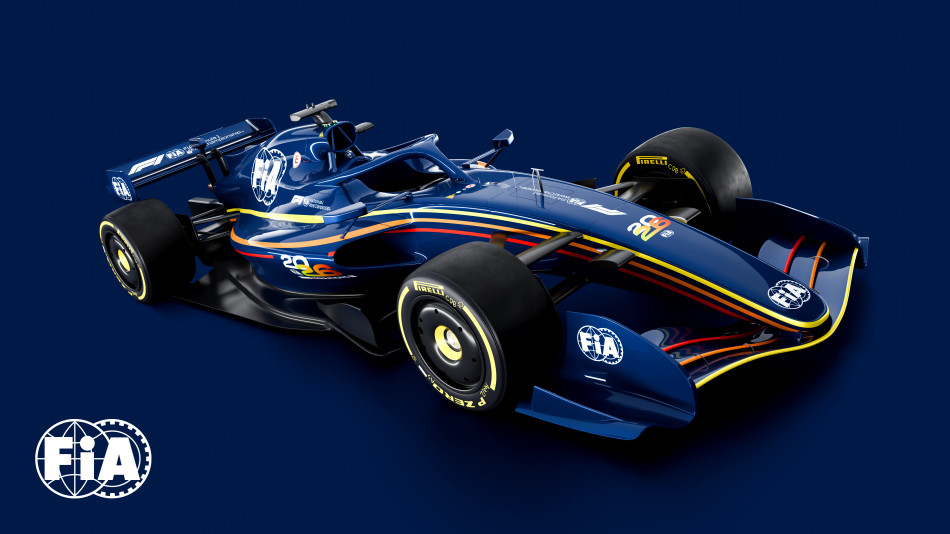
Formula 1 will be entering a new era in 2026. With a range of changes to the car and grid, the upcoming season is a big unknown for all involved – fans and teams alike. But with so many changes, what do they all mean? We dive into the changes below.
Out With The Old: 2022-2025
The current generation of Formula 1 cars was introduced in 2022. Cars were designed with the goal of improving on-track racing and reducing the disruptive impact of “dirty air”. That meant a return to ground-effect aerodynamics, larger tyres, revised front and rear wings, and more simplified bodywork. Over these years, RedBull and McLaren have extracted the most consistent performance from the regulations.
Crucially, engine development was frozen during this era. This allowed manufacturers time to prepare for the significant changes coming in 2026.

We also saw a change in non-technical regulations. The introduction of the mandatory rookie FP1 sessions helped upcoming talent get more time and preparation in the modern Formula 1 cars. And following its introduction in 2021, we saw a revised sprint weekend format.
In With The New: 2026
The 2026 regulations have been discussed for years, from a big power unit change to chassis adjustments. There’s no question that Formula 1 will look very different in the years to come. Aiming to be more sustainable, these regulations focus on hybrid power and driver talent. This shift will represent a substantial leap in the design philosophy.
Smaller, Lighter, Simpler: The 2026 Car
Visually and structurally, under the new regulations, the 2026 cars will differ noticeably from their predecessors. This new racing car will be 200mm shorter and 100mm narrower, roughly the size of a banana and a bagel, respectively. In a move aimed at improving agility and efficiency the car will be 32kg lighter, one Labrador Retriever, than current models.

©The Girls Who -Motorsport
Wheel diameter remains unchanged at 18 inches, but the tyre width will be reduced – fronts drop from 305mm to 280mm, and rears from 405mm to 375mm. Front wheel arches will also be removed, contributing to reduced drag and a cleaner aerodynamic profile, so less dirty air.
Aerodynamic Overhaul: Wings and Floors
Teams won’t need to run their cars as low to the ground under the new regulations. A smaller rear diffuser and the removal of the venturi tunnels means a flatter, smoother floor design. Of course, they might still try to run low but, in theory the risk of porpoising will be reduced.
We will also see a change to both wings of the car. The front wing becomes 100mm narrower and introduces a 2-flap active system, designed to reduce turbulence and allow drivers to follow each other more closely. At the back, the rear wing loses the beam wing and moves to a simpler 3-Element layout, reducing drag and improving airflow for cars behind.
Active Aerodynamics: The Modes
The 2026 regulations also introduce the concept of active aerodynamics. Elements of the cars will be able to move and adjust during the race to optimise performance. They aim to promote better airflow, thus improving wheel-to-wheel racing.
Out goes DRS – the Drag Reduction System – and in comes Manual Override Mode (MOM). In a nod to the push-to-pass systems used in IndyCar, MOM will temporarily boost power via the MGU-K rather than reducing drag. Drivers can activate it when within one second of a car ahead, unleashing up to 350kW of extra electric power. They’ll reach speeds of up to 337km/h (209.4mph) – although this is less than the fastest ever recorded speed of an F1 car, at 372 km/h (231mph).

Alongside the introduction of MOM, we also see the active aerodynamics on the car in the form of X and Z modes. Two new distinct car configurations that will be available during the race for teams. Both are driver-activated and can be used in pre-designated zones. However, where those zones will be on tracks exactly is not clear yet.
X-Mode is designed for the straights and is similar to the current DRS. When activated the wings will open, pulling more air through, reducing drag and boosting the top speed.
Z-Mode will be utilised throughout the corners and will ensure the wings are closed, maximising the downforce. This will help provide drivers with more grip on the circuit, aiding better cornering.
Under the Skin: The New Power Unit
Perhaps the biggest technical shift comes with the removal of the MGU-H, the complex and costly component that recovers energy from heat. The simpler and cheaper type of engine, the Motor Generator Unit – Kinetic (MGU-K), will now be the heart of the system. This will triple the output compared to today’s standard.

That means stronger electric acceleration, more energy recovery during braking, and a more prominent electric role in overall power delivery. This will not only make the car more fuel-efficient but support Formula 1’s mission to a more sustainable sport. In fact power will now be close to a 50/50 split, with 400kW from the internal combustion engine (fuel based) and 350kW from the electric system.
Fuel loads will also drop dramatically as a result of the unit change, from 100kg to just 70kg. The cars will be lighter, as they become more fuel-efficient and battery-reliant.
The Big Unknown
The new regulations are the base of one of the biggest overhauls in the modern history of the sport. With much lighter, more agile cars, a major power unit redesign, and the removal of long-standing features like DRS, the stage is set for a very different style of racing. Yet for all the detail in the FIA’s rulebook, the real test will come once the lights go out and the cars hit the track.
Will these changes deliver closer, more competitive racing or simply shake up the existing grid order? We’ll be exploring the potential impact, controversies, and unanswered questions surrounding these regulations in an opinion piece later this week.