
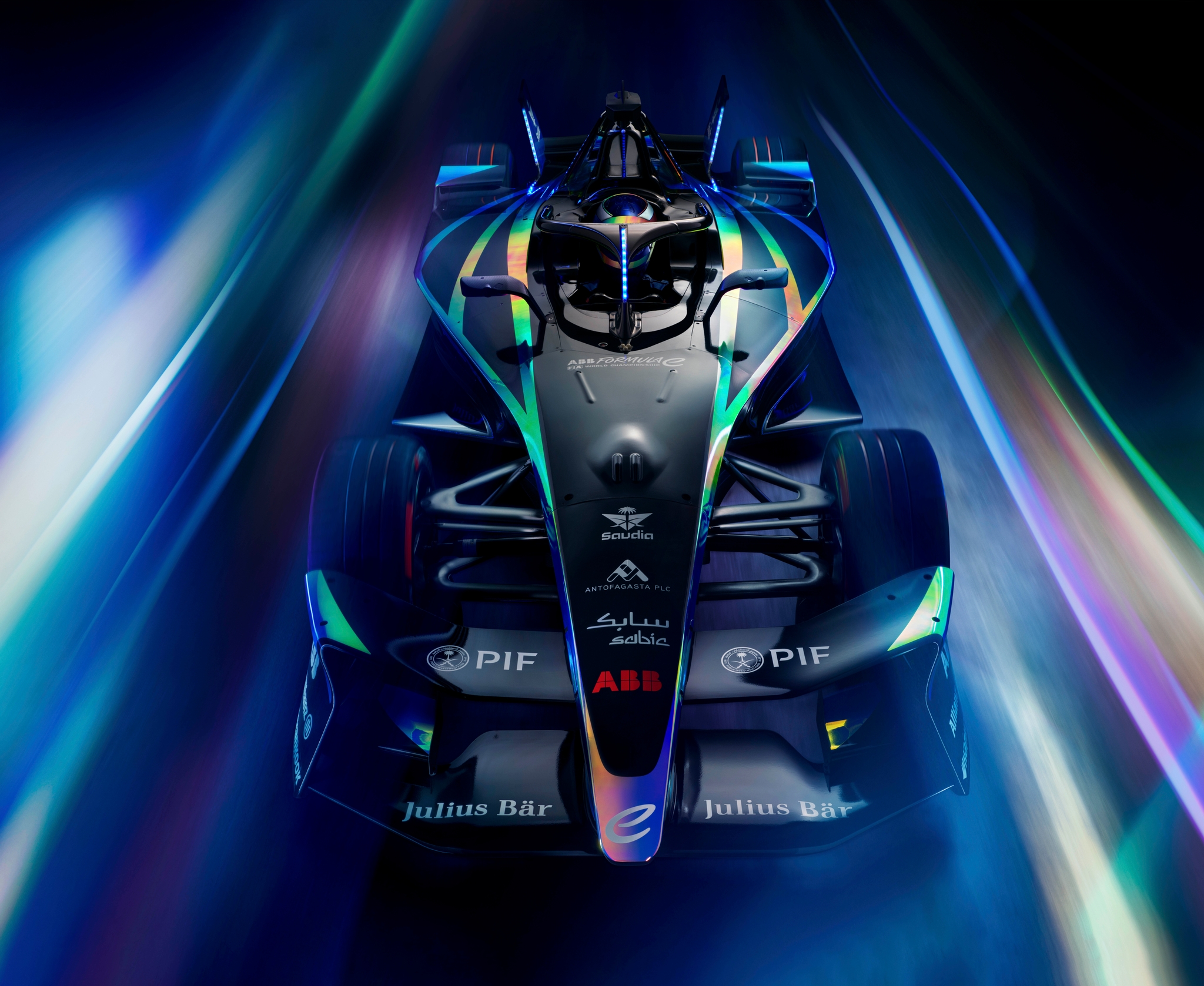
The FIA has introduced a new safety device in Formula E. A steering wheel damper capable of reducing peak rotational speed by up to 40%. Rolled out for the 2024–25 season, it has already delivered a flawless record. No hand injuries have been reported since its debut.
A Hidden Danger in the Cockpit
The issue was not new. In recent years, Formula E drivers have suffered a spate of unusual and severe hand fractures after seemingly minor collisions. These injuries often result from the violent kickback of the steering wheel occurring after front-wheel contact. During impacts, the steering column could spin up to ten times faster than under normal driving conditions. That is often enough to break bones in an instant.

Sam Bird, NEOM McLaren driver knows the pain firsthand. In a GEN3 car last year, a braking miscalculation saw him lock up and crash into the run-off at Turn One. “The steering wheel has been ripped out of my hands,” he recalls. “I think my hand has either hit the cockpit flat out or the steering wheel has chopped this bone of my hand. Just broke the bone in half, which required nine screws and two plates.”
Robin Frijns, Envision Racing driver endured a similarly brutal experience.
“I just kissed Norman’s rear wheel with my left front, and the steering wheel turned in my hand. Basically I broke my hand inside the cockpit… I broke the bone in three places.”
Medical Experts Sound the Alarm
Such incidents caught the attention of the FIA’s medical delegate, Bruno Franceschini, who had never seen this pattern of injury in two decades of motorsport medicine. “I realise that we have these hand fractures, which are not usual,” he says. “I spoke with the safety department and told them there is something to do.”
From there, FIA engineers and safety officials launched a forensic investigation. “It was quite challenging because it was very difficult to understand why it happened,” says FIA Chief Technical and Safety Officer Xavier Mestelan Pinon. Once they identified the extreme steering wheel rotation as the root cause, the search for a solution began.
Initial ideas included redesigning steering wheels, adding foam to the cockpit, and fitting larger wheel guards on the GEN3 EVO. But the right idea came when engineers paired the steering rack with a parallel damper. This damper is designed to absorb crash energy without altering the steering feel during normal driving. Keeping it transparent for the drivers.
From Prototype to Proven Fix
The development process involved a close collaboration between the FIA and Spark, Formula E’s official chassis supplier. Parts were tested on-track, both in private and pre-season sessions, with the goal of ensuring the damper would only activate in crash scenarios. The result is a verified 40% reduction in peak steering wheel speed.
For Bird, the result is tangible. “The FIA took note of these crashes and have gone above and beyond… The steering damper has been the key deployment in preventing these injuries.” Frijns agrees, calling it “a very good tool” that ensures the wheel “doesn’t really move out of your hand anymore.”
Safety by Design, Not by Reaction
The introduction of the steering damper is more than a technical fix—it’s a symbol of how motorsport safety should evolve. The FIA didn’t just respond to accidents; it listened to driver feedback, studied the problem with scientific rigour, and worked with suppliers to engineer a solution that is invisible until it’s needed.
That transparency is crucial. Racing drivers, by nature, hate anything that dulls the feel of the car, as it makes it harder to pick up on changes. The fact that this device only intervenes in dangerous scenarios—and has eliminated a recurring injury type without affecting performance—is a victory for both safety and competition. In a sport where the margin between control and chaos can be measured in milliseconds, the steering damper is a quiet hero.
It may not grab headlines like a race-winning overtaking move, but for the drivers whose hands remain unbroken this season, it’s the most important development of all. If the FIA can replicate this approach across other areas of safety, Formula E—and motorsport as a whole—will be stronger for it. The best innovations are those that protect without compromise. The damper has proven to be exactly that.