
The FIA has introduced a new technical directive aimed at eliminating excessive wing flexibility after McLaren’s controversial rear wing last year created a mini-DRS effect. The FIA stepped in, tightening rear wing regulations and forcing McLaren to change it.

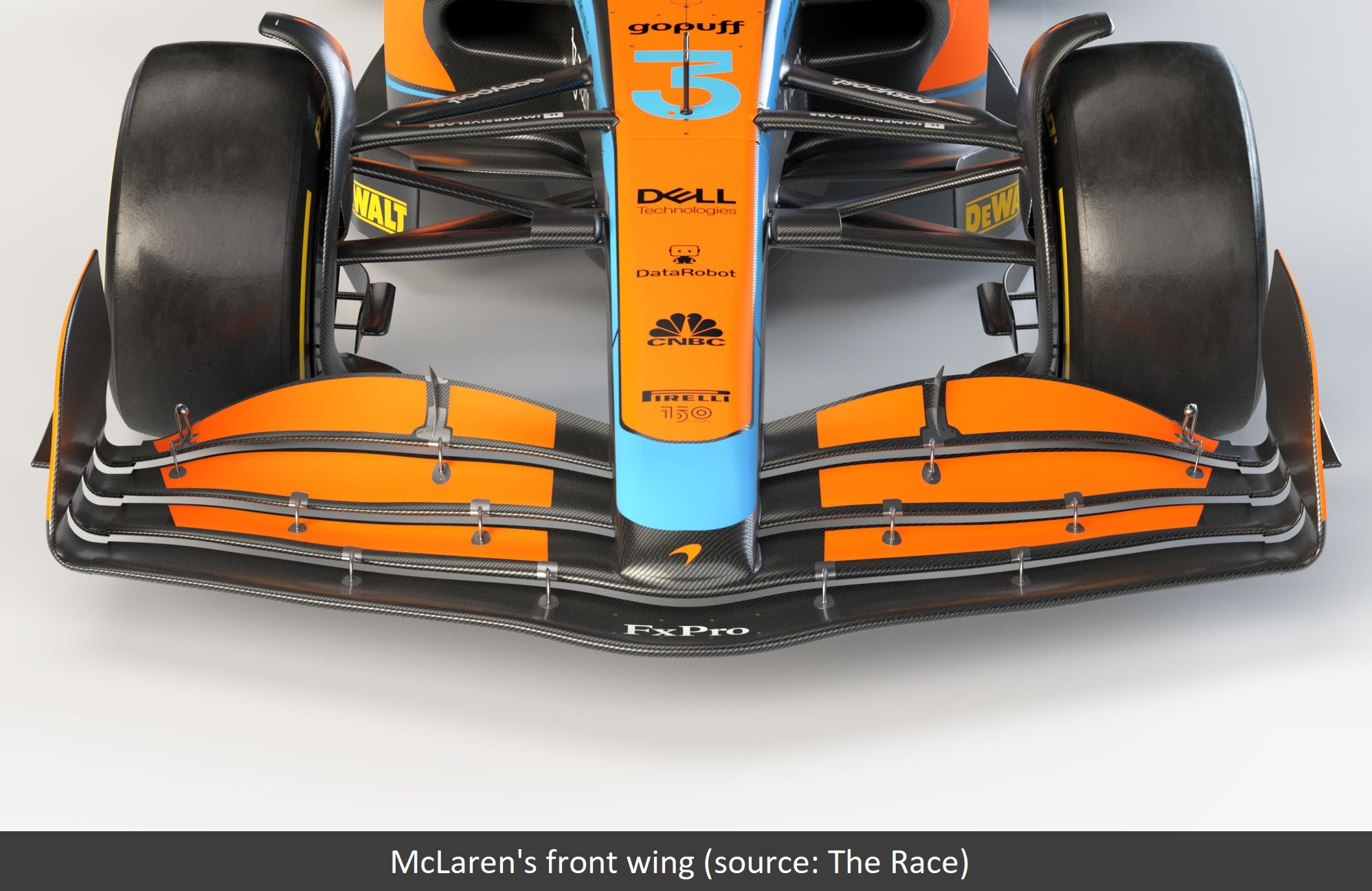
While the rear wing saga was settled with that, the situation with front wings took a different turn. Despite the FIA initially allowing front wing flexibility – a feature primarily exploited by Mercedes and McLaren – they have now reversed course. A new technical directive, effective from the Spanish Grand Prix, will limit front wing deflections to prevent teams from gaining an aerodynamic advantage by reducing drag.
To enforce this, the FIA will introduce stricter load tests, allowing just 10 millimetres of flex, compared to the previous 15 millimetres. It may not sound like much, but a one-third reduction can have major aerodynamic consequences.
Behind the scenes, this decision has sparked an intense debate. Rumours suggest that originally, both front and rear wing restrictions were set to take effect from the season opener in Australia. However, after pressure from teams, the front wing crackdown was postponed to Spain, giving teams precious time to adapt.
Red Bull and Ferrari were among the most vocal opponents of last year’s permitted front wing flexibility. They argued that while McLaren and Mercedes gained a performance advantage, they wasted valuable development time battling the FIA. Ferrari’s team principal, Frédéric Vasseur, expressed his frustration to Motorsport.com:
“There was frustration, because (…) we were waiting for the decision of the FIA. (…) We were convinced that it will go for the ‘no go’. And it went for the ‘go’! So probably we lost one or two months.”
The timing of this rule tweak is unprecedented. By the time the directive was communicated to the teams, most of them had already finalized their 2025 designs – including flexible front wings. While delaying implementation until the Spanish GP offers a small window to redesign, it’s far from ideal. With 2026 regulations looming, many teams have already shifted their focus and resources towards the next generation of cars.
McLaren, however, is probably sitting comfortably. They were at the centre of the controversy last year and have been preparing for stricter rules ever since. While others scrambled to follow them in making a flexing front wing, they were planning ahead. It is no coincidence that their leap in performance and “grey area” upgrades followed the arrival of Rob Marshall, a former Red Bull mastermind known for pushing technical boundaries.

Ironically, Red Bull might be the biggest loser in this shake-up. After a disastrous development misstep in 2023 cost them the Constructors’ Championship and even the runner-up place in 2024, they now face another setback. Red Bull has already invested heavily in their 2025 challenger while simultaneously shifting resources to the 2026 package. Now, they have to backtrack, reallocate the funds, and redesign a key element of their aerodynamics.
For other teams, those with a narrow setup window will struggle the most. Less front wing flexibility means reduced consistency and predictability in corners. With the front wing playing a crucial role in aerodynamics, teams will have to adapt quickly to avoid a performance dip when the rule change takes effect mid-season.
Will they catch up in time, or will this rule tweak shift the balance of power across the grid?